
Laing Revealed: The Bold Taste of Bikol
From sun-drenched coconut farms to family kitchens, Laing is more than just a dish—it’s the taste of Bikolano culture and heritage.
FOOD & CULTURE
Tavi Forager (TF)
9/26/20252 min read
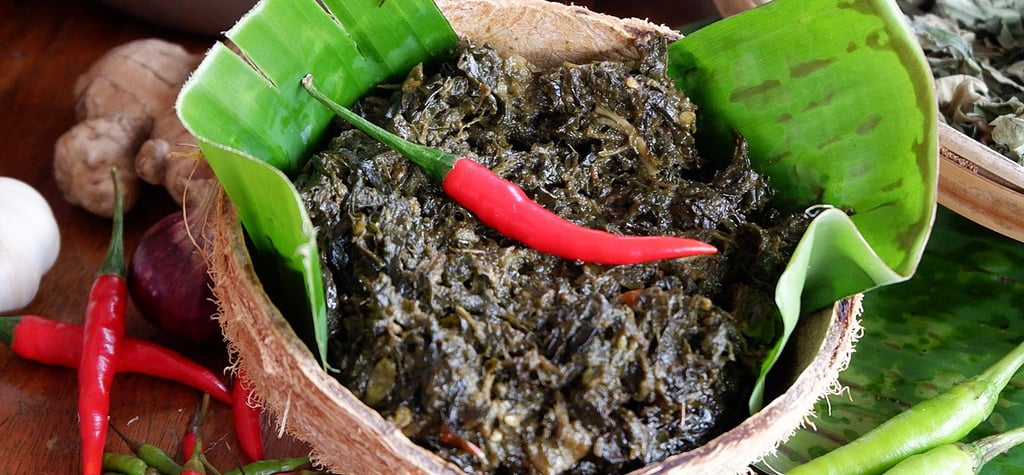
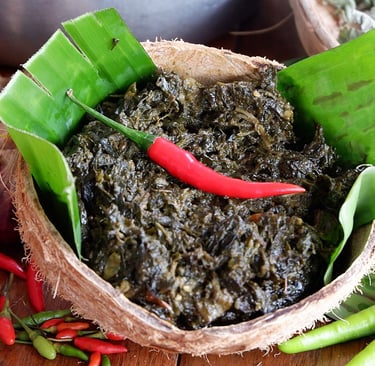
Nestled in the heart of the Bicol Region, known for its fiery peppers and abundant coconuts, lies a culinary gem that tells a story with every bite: Laing. This creamy, spicy dish made from dried taro leaves and coconut milk is a staple in homes, fiestas, and celebrations across the region. For locals, it’s a flavor of home; for visitors, an unforgettable introduction to Bicol’s bold palate.
Culinary Traditions
Laing’s magic lies in its simplicity and depth. The dish uses dried gabi (taro) leaves, slowly simmered in rich coconut milk, infused with garlic, onions, ginger, and, of course, Bicol’s signature chili peppers. Some families add dried or fresh seafood, like shrimp or fish flakes, to enhance its earthy, savory notes.
“Laing is not just a dish—it’s a labor of love. The leaves must be carefully dried and cooked slowly so the flavors meld perfectly,” shares Lola Maria, a Bicolano matriarch.
Cooking Laing is almost meditative. The aroma of coconut milk simmering over gentle heat fills the kitchen, while the chili peppers give it that characteristic kick that Bicolanos are proud of.
Cultural Significance
Laing is more than a taste—it’s a reflection of Bicol’s culture. Traditionally served during family gatherings and festivals, it symbolizes hospitality, warmth, and regional pride. Coconut palms, abundant in the region, are central not only to the dish but also to local livelihoods. Each spoonful connects eaters to centuries of tradition and the land that nurtures it.
Street Food & Modern Twists
While Laing started as a home-cooked delicacy, it’s now found in restaurants, food stalls, and even packaged as instant meals for travelers. Contemporary versions include Laing sushi rolls, Laing pizza, and spicy Laing tacos, giving the traditional dish a modern twist while keeping its core flavors intact.
Quick Recipe Guide
Ingredients:
2 cups dried taro leaves
2 cups coconut milk
3 cloves garlic, minced
1 onion, chopped
1 thumb-sized ginger, sliced
2–3 chili peppers (adjust to taste)
Salt and shrimp paste (optional)
Steps:
Sauté garlic, onion, and ginger until aromatic.
Add chili peppers and shrimp paste.
Stir in dried taro leaves and pour coconut milk over them.
Simmer gently for 30–40 minutes, stirring occasionally.
Serve hot with steamed rice.
Fun Fact
Did you know that Bicolanos believe cooking Laing over low heat allows the chili’s “spirit” to infuse fully into the coconut milk? It’s considered the secret to the dish’s rich, layered flavor.
Closing
Tasting Laing is like taking a bite out of Bicol’s heart. Spicy, creamy, and unforgettable, it reminds everyone that food is not just sustenance—it’s history, family, and culture on a plate.