
Pinakbet Uncovered: Ilocano Flavor Explored
In the sun-baked plains of Ilocos, where farming is both a livelihood and a way of life, a dish emerged that perfectly embodies the region’s resilience and simplicity: Pinakbet.
Tavi Forager (TF)
9/26/20251 min read
Culinary Traditions
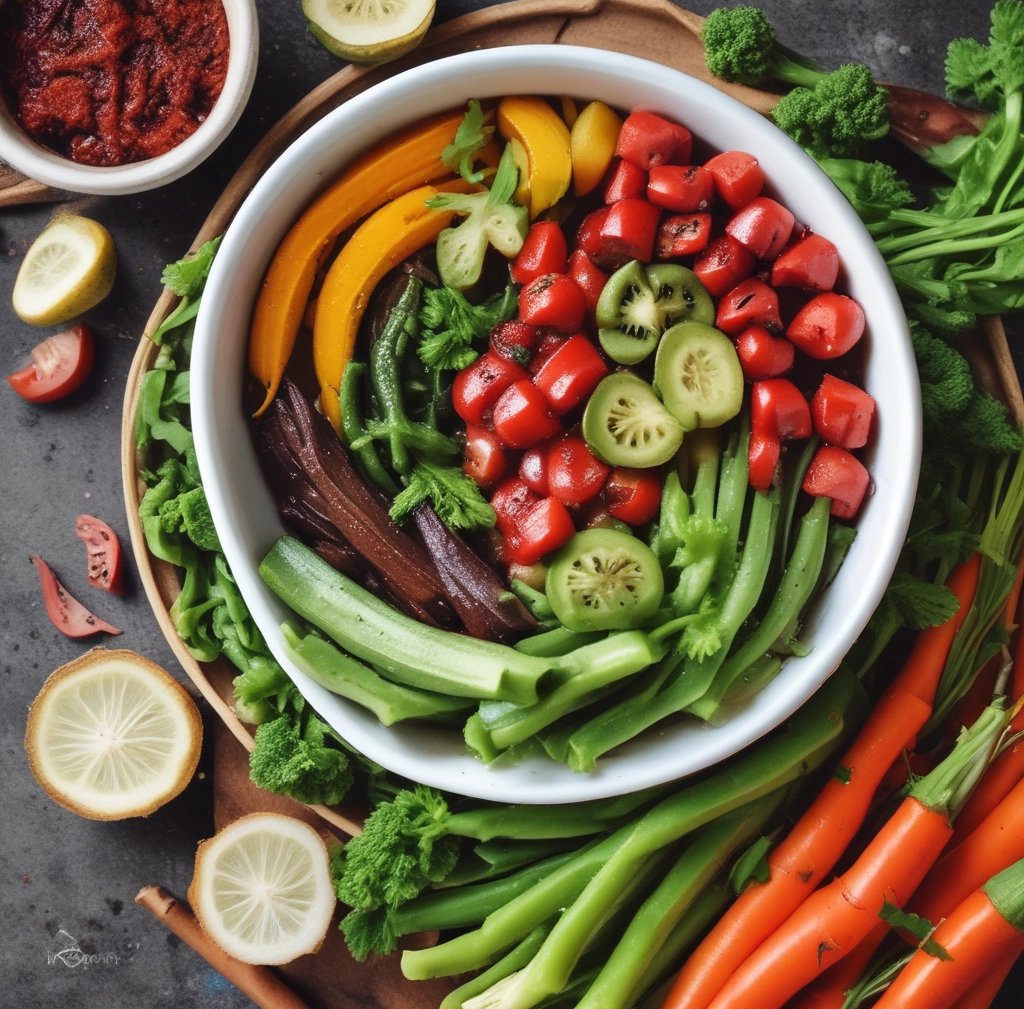
Pinakbet is all about fresh, local produce. The vegetables are sautéed lightly, then simmered slowly in a mixture of bagoong, garlic, onions, and tomatoes, allowing each ingredient to retain its natural flavor while harmonizing into a rich, savory stew.
“In Ilocos, we eat what we grow. Pinakbet is a dish that celebrates every harvest,” says Mang Jose, a farmer from Laoag.
The magic of Pinakbet lies in balance—the slight bitterness of bitter melon, the sweetness of squash, and the salty depth of shrimp paste create a dish that is both hearty and nuanced.
Cultural Significance
Pinakbet is more than just a meal; it’s a symbol of Ilocano frugality, ingenuity, and connection to the land. Families often serve it alongside grilled fish or pork, turning simple ingredients into a feast. Traditionally, it is a staple during everyday meals rather than special occasions, reflecting the Ilocano value of “simple living, high thinking.”
Street Food & Modern Twists
While traditionally home-cooked, Pinakbet has inspired modern interpretations. Restaurants now serve Pinakbet pizza, Pinakbet pasta, or even deconstructed Pinakbet bowls for urban diners. Despite these creative takes, the essence remains: fresh vegetables, bold flavors, and a connection to Ilocano roots.
Quick Recipe Guide
Ingredients:
1 cup bitter melon, sliced
1 cup eggplant, sliced
1 cup squash, cubed
1 cup okra, trimmed
1 cup string beans, cut into 2-inch pieces
2 tbsp bagoong alamang (shrimp paste)
3 cloves garlic, minced
1 onion, chopped
2 tomatoes, chopped
Steps:
Sauté garlic, onions, and tomatoes until fragrant.
Add shrimp paste and stir until aromatic.
Add vegetables in order of hardness—squash first, then eggplant, okra, string beans, and bitter melon.
Pour a small amount of water and simmer until vegetables are tender but not mushy.
Serve hot with steamed rice.
Fun Fact
The name “Pinakbet” comes from the Ilocano word “pinakebbet”, meaning “shrunk” or “shrivelled,” referring to how the vegetables shrink as they cook and absorb the flavors.