
The Story of Bannock: A Staple of Survival and Sharing
Simple yet sustaining, Bannock is more than bread—it is a symbol of resilience, adaptation, and community across Indigenous cultures and settler histories in North America.
Tavi Forager (TF)
11/10/20252 min read
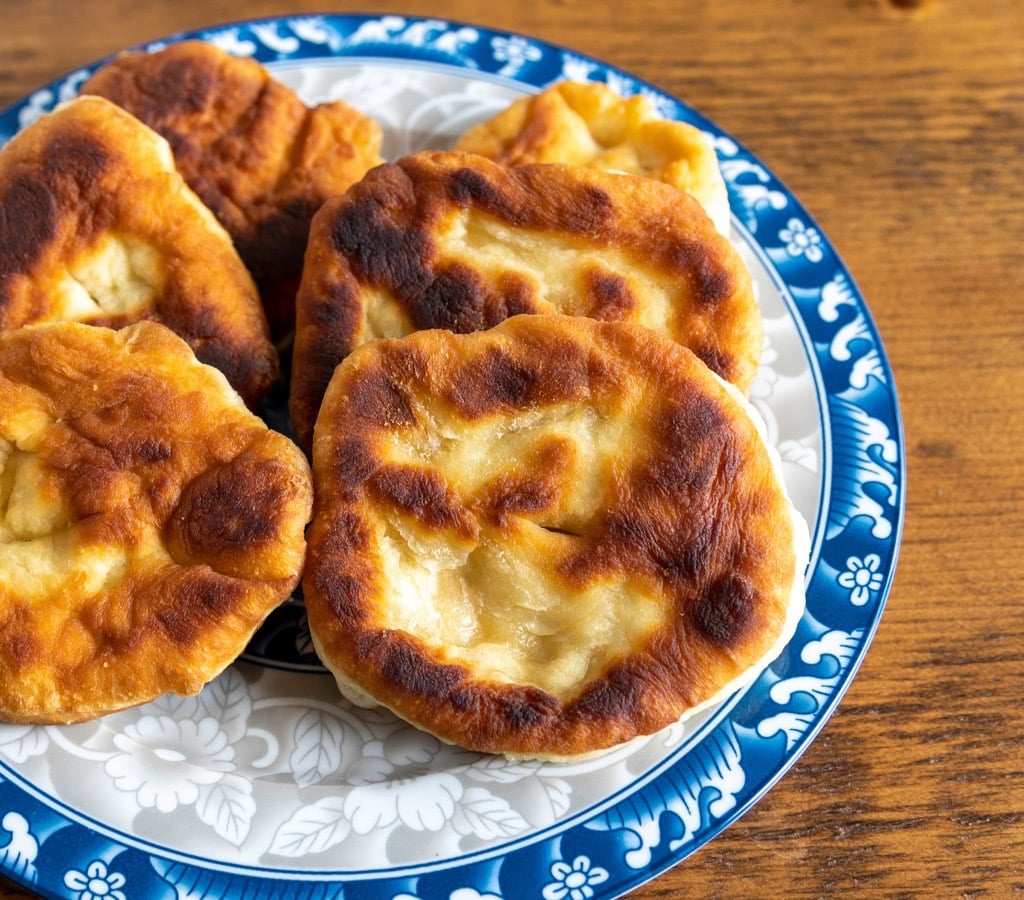
Across campfires, kitchens, and powwows, the smell of freshly cooked bannock evokes warmth, sustenance, and tradition. Originally a Scottish bread introduced by fur traders, bannock was adapted and embraced by Indigenous peoples throughout North America, becoming a staple of both survival and celebration. Whether baked, fried, or cooked over an open flame, bannock has grown into a culinary icon that tells a story of resilience and cultural blending.
Culinary Traditions
At its essence, bannock is simple: flour, fat, baking powder, salt, and water (or milk). The dough is versatile—it can be baked in an oven, pan-fried in oil, or cooked on a stick over fire. This adaptability made it an essential food for travelers, hunters, and families who needed nourishment in resource-scarce environments.
“Bannock is comfort food—it’s what we grew up with. Every family has their way of making it, but it always tastes like home,” shares Elder Josephine Cardinal from Alberta.
Some versions are sweetened with sugar or berries, while others remain plain and hearty, ready to accompany soups, stews, or even eaten on its own with jam or honey.
Cultural Significance
For Indigenous communities, bannock became more than sustenance—it became a food of gathering, resilience, and identity. Introduced through colonial trade, it was adapted when traditional food sources were disrupted. While its history is tied to hardship and survival, it is also woven into celebration, ceremony, and community feasts.
At powwows and festivals, bannock is shared as a symbol of generosity and cultural pride. Vendors often serve it as “bannock burgers” or “Indian tacos,” topped with meat, beans, and vegetables. These modern interpretations showcase how a once-simple bread continues to evolve while carrying deep cultural meaning.
Modern Twists & Popularity
Today, bannock is both traditional and innovative. Some chefs reinterpret it in gourmet settings—stuffed with savory fillings, paired with smoked fish, or baked with wild herbs. Others keep it rustic and close to its roots.
Beyond Indigenous communities, bannock has become a comfort food enjoyed across Canada and parts of the United States, representing cultural exchange and culinary creativity.
Quick Guide: Bannock (Fried Version)
Ingredients:
2 cups all-purpose flour
2 tsp baking powder
1/2 tsp salt
2 tbsp lard, butter, or oil
3/4 cup warm water (adjust as needed)
Oil for frying
Steps:
Mix flour, baking powder, and salt in a bowl.
Cut in fat until crumbly.
Add water gradually, mixing into a soft dough.
Divide into portions, flatten into rounds.
Fry in hot oil until golden brown on both sides.
Serve warm, plain or with toppings.
Fun Fact
The word bannock comes from the Gaelic bannach, meaning “morsel” or “cake.” While it traveled with Scottish settlers, it was Indigenous peoples who transformed it into a cornerstone of North American food culture.
Closing
Bannock is more than bread—it is a living story of adaptation, resilience, and community. From survival food to celebratory dish, from fire-roasted rounds to modern kitchen creations, bannock continues to nourish both body and spirit. It is a reminder that food can carry history, identity, and the warmth of sharing across generations.