
The Story of Ceviche: A Staple of the Sea and the Soul (PERU)
Fresh yet profound, ceviche is more than a dish—it is a reflection of Peru’s coastline, culture, and creativity. Rooted in ancient traditions and refined through generations, ceviche embodies the vibrant spirit of Peru, where the sea meets the soul in every bite.
Tavi Forager (TF)
11/13/20252 min read
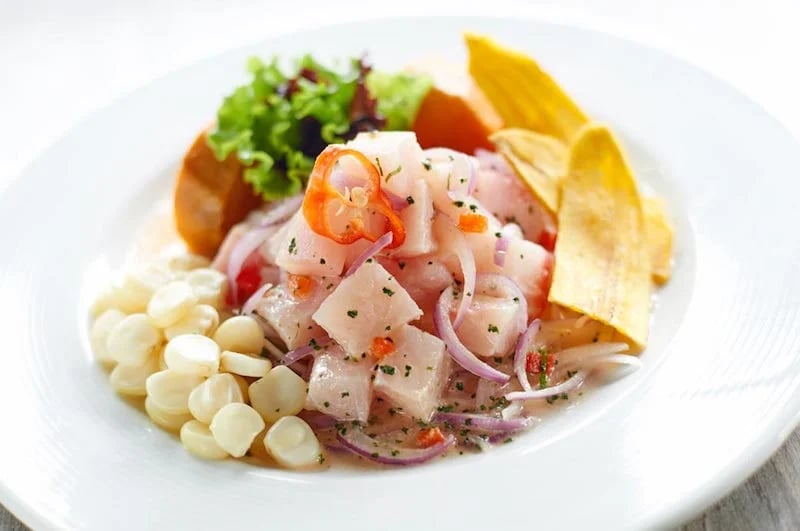
At midday along Peru’s coast, markets and kitchens come alive with the scent of lime, chili, and the ocean breeze. Ceviche—Peru’s national dish—is a celebration of freshness, simplicity, and balance. Made by marinating raw fish in citrus juice, it tells a story of Indigenous ingenuity, colonial influence, and the enduring connection between people and the sea.
Culinary Traditions
At its heart, ceviche is pure and elemental: fresh fish “cooked” in lime juice, seasoned with salt, chili peppers, and garnished with onions and cilantro. Traditionally, it’s served with camote (sweet potato), choclo (giant corn), and crispy corn kernels known as cancha, creating a contrast of textures and flavors.
“The key to great ceviche is respect,” says Chef Marisol Aguirre of Lima. “Respect for the fish, the lime, and the land that gives them both.”
While the classic ceviche de pescado uses firm white fish like sea bass or flounder, regional variations flourish:
Ceviche Mixto – Combines fish, shrimp, squid, and octopus.
Ceviche Amazónico – Incorporates jungle ingredients like plantain and river fish.
Tiradito – A Japanese-Peruvian fusion featuring thinly sliced fish and a smoother, spicier sauce.
Each version highlights the diversity of Peru’s geography and its history of culinary exchange.
Cultural Significance
Ceviche’s roots reach back over 2,000 years, to pre-Columbian coastal cultures such as the Moche, who preserved fish with fermented juice from local fruits. When Spanish colonizers introduced citrus fruits in the 16th century, Indigenous methods evolved—leading to the modern ceviche known today.
Over centuries, ceviche became a dish of national identity. It represents not only Peru’s biodiversity but also its fusion of cultures: Indigenous, Spanish, African, and Asian influences all contribute to its flavor.
Beyond the plate, ceviche symbolizes vitality and pride. It is central to social life—served at family gatherings, seaside celebrations, and urban lunch counters alike. In 2004, Peru even declared June 28 as Día Nacional del Ceviche (National Ceviche Day), honoring its place in the nation’s heart and history.
Modern Twists & Popularity
Today, ceviche is Peru’s culinary ambassador to the world. Chefs across continents reinterpret it with local fish, tropical fruits, or plant-based ingredients. Yet, its soul remains unchanged—freshness, acidity, and the joy of sharing.
In Lima’s modern restaurants, ceviche has become a fine-dining experience, often paired with pisco sours and plated with artistic flair. Still, the best ceviche, many Peruvians say, is found near the sea—made fresh, eaten quickly, and shared among friends.
Quick Guide: Classic Peruvian Ceviche
Ingredients:
1 lb firm white fish (sea bass, sole, or flounder), diced
Juice of 8–10 limes (freshly squeezed)
1 red onion, thinly sliced
1–2 ají limo or chili peppers, finely chopped
Fresh cilantro, chopped
Salt to taste
Cooked sweet potato and corn for serving
Steps:
Place fish in a glass bowl; season lightly with salt.
Add lime juice, chili, and onion; mix gently.
Let marinate for 5–10 minutes—just until the fish turns opaque.
Add cilantro, adjust seasoning, and serve immediately with sweet potato and corn.
Fun Fact
The milky marinade left behind after preparing ceviche is called leche de tigre (“tiger’s milk”). It’s often served as a shot or used as a base for sauces—and is said to be both a hangover cure and an aphrodisiac!
Closing
Ceviche is more than a dish—it is a story of the ocean, of adaptation, and of national pride. From its ancient roots to its modern acclaim, it continues to nourish body and spirit alike. In its simplicity lies Peru’s genius: honoring tradition while embracing change, one citrus-sparked bite at a time.