
The Story of India’s Butter Chicken (INDIA)
Creamy, aromatic, and indulgent, Butter Chicken is more than a dish—it is a symbol of Indian culinary ingenuity, hospitality, and the art of balancing spices and cream. From humble beginnings in Delhi to tables worldwide, it embodies the warmth, richness, and adaptability of Indian cuisine.
Tavi Forager (TF)
11/22/20252 min read
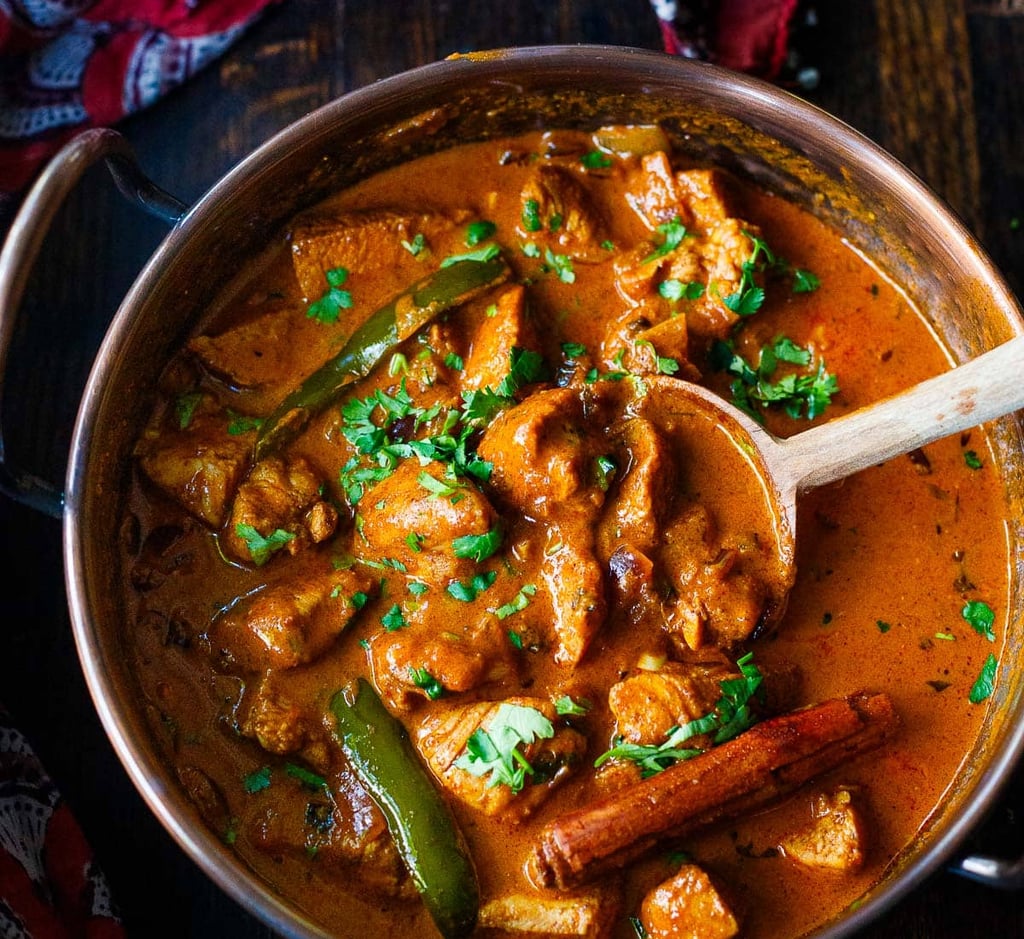
In kitchens across India, the scent of roasting spices, simmering tomato sauce, and creamy butter signals the preparation of Butter Chicken, or Murgh Makhani. Known for its velvety texture and rich flavor, this dish has become a global icon of Indian cooking. Whether served with naan, roti, or rice, Butter Chicken represents comfort, celebration, and the joy of sharing food with others.
Culinary Traditions
At its core, Butter Chicken is marinated chicken cooked in a spiced tomato-based sauce enriched with butter and cream. The marination often includes yogurt, lemon juice, ginger, garlic, and a blend of aromatic spices, which tenderize the meat while infusing it with flavor. The sauce combines tomatoes, butter, cream, and garam masala, resulting in a rich, slightly sweet, and mildly spiced dish.
“The beauty of Butter Chicken,” says Chef Anjali Mehta from Delhi, “is in the balance—spices should sing, not overpower, and the sauce should be creamy without being heavy.”
Variations include:
Classic Delhi-Style – Mildly spiced, tomato-rich, and creamy.
Punjabi Butter Chicken – Slightly spicier, often cooked in a tandoor for smoky flavor.
Restaurant Innovations – Incorporating cashew cream, fenugreek leaves, or coconut milk for regional or modern twists.
Cultural Significance
Butter Chicken was invented in the 1950s by the chefs at the famous Moti Mahal restaurant in Delhi. Leftover tandoori chicken pieces were simmered in a tomato-butter gravy to create a new dish that was both flavorful and tender. Its success transformed it into a beloved classic, symbolizing India’s spirit of innovation and culinary generosity.
Beyond its origin story, Butter Chicken has become a dish for celebration, served at weddings, festivals, and family gatherings. It represents comfort, hospitality, and the ability of food to bring people together across regions and generations.
Modern Twists & Popularity
Today, Butter Chicken is enjoyed worldwide, from Indian restaurants in London and New York to home kitchens across the globe. Chefs experiment with plant-based versions, lighter cream substitutes, or fusion adaptations, yet the essence remains: tender chicken in a rich, aromatic, buttery tomato sauce.
Butter Chicken also serves as a gateway for many to explore Indian cuisine, embodying its complex flavors while remaining approachable and universally beloved.
Quick Guide: Classic Butter Chicken
Ingredients:
1 lb chicken (boneless, skinless, cut into pieces)
1/2 cup yogurt
1 tbsp lemon juice
2 tsp garam masala
1 tsp turmeric
1 tsp chili powder
2 tbsp butter
1 onion, finely chopped
2 cups tomato puree
1/2 cup cream
2 cloves garlic, minced
1 tsp ginger, grated
Salt to taste
Fresh cilantro for garnish
Steps:
Marinate chicken in yogurt, lemon juice, and half the spices for at least 1 hour.
Sauté onions, garlic, and ginger in butter until golden.
Add tomato puree and remaining spices; simmer for 10–15 minutes.
Add chicken and cook until tender.
Stir in cream and adjust seasoning. Garnish with fresh cilantro.
Serve hot with naan or steamed rice.
Fun Fact
Butter Chicken was born from ingenuity—chefs at Moti Mahal wanted to use leftover tandoori chicken creatively, resulting in one of the world’s most beloved Indian dishes.
Closing
Butter Chicken is more than a meal—it is a story of innovation, flavor, and hospitality. From Delhi’s streets to tables worldwide, it continues to embody India’s culinary richness and generosity. Every creamy, spiced bite celebrates tradition, creativity, and the joy of sharing food with family, friends, and the world.