
The Story of Nigeria’s Jollof Rice (NIGERIA)
Vibrant, spicy, and deeply comforting, Jollof Rice is more than a meal—it is a symbol of celebration, cultural pride, and community across West Africa. Known for its bold color and rich aroma, Jollof Rice tells a story of heritage, creativity, and the joy of gathering around the table.
Tavi Forager (TF)
11/19/20252 min read
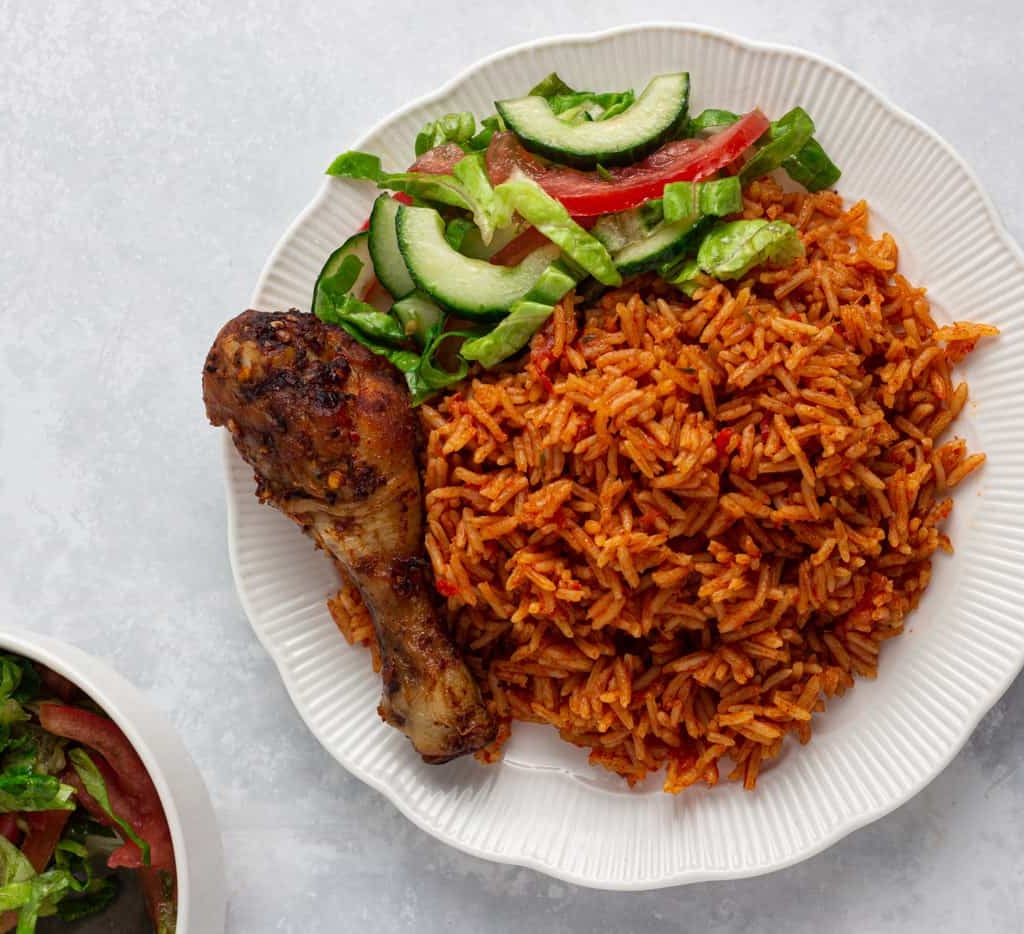
In Nigerian homes, the smell of sizzling peppers, onions, and tomatoes signals that something special is cooking. Jollof Rice, with its bright red hue, smoky undertones, and perfectly seasoned grains, is a centerpiece at weddings, birthdays, and festive gatherings. Though simple in its ingredients, it is complex in flavor—a culinary emblem that brings families and communities together.
Culinary Traditions
At its core, Jollof Rice is rice cooked in a spiced tomato sauce, infused with chili, onions, and bell peppers. Proteins such as chicken, beef, goat, or fish are often added, along with vegetables for color and texture. The dish is finished with fragrant seasonings—thyme, curry powder, bay leaves, and occasionally a hint of ginger or garlic.
“The magic of Jollof,” says Chef Ifeoma Okafor from Lagos, “is in how the rice absorbs the flavors of the sauce. Every family has their own secret—some swear by smoked tomatoes, others by adding a touch of coconut oil.”
Regional variations exist:
Nigerian Jollof – Rich, spicy, often with long-grain rice and a smoky tomato base.
Ghanaian Jollof – Slightly sweeter, with less heat and a focus on red palm oil.
Senegalese Jollof (Ceebu Jën) – Traditionally made with fish and broken rice, considered the dish’s West African origin.
Each version reflects local ingredients, cultural tastes, and culinary creativity.
Cultural Significance
Jollof Rice traces its roots to the Senegambian region, where it evolved as Ceebu Jën, a fish-and-rice dish of the Wolof people. As trade and migration spread across West Africa, it transformed to reflect local tastes and ingredients.
In Nigeria, Jollof Rice has become a national symbol—a dish that embodies celebration, hospitality, and identity. It is at the heart of weddings, birthday parties, and festive holidays. Sharing Jollof is more than eating; it’s a ritual of connection, pride, and joy.
The dish also inspires friendly debates, particularly the famous “Jollof Wars” between Nigeria, Ghana, and other West African nations, where each claims to make the best version. This playful rivalry underscores the dish’s importance as a marker of cultural identity and culinary expertise.
Modern Twists & Popularity
Today, Jollof Rice enjoys global recognition. Nigerian restaurants, diaspora communities, and home cooks worldwide keep it vibrant and evolving. Modern adaptations include vegetarian versions, baked Jollof, or smoky grilled protein toppings, while the core flavor of spiced, tomato-rich rice remains central.
Despite its variations, Jollof Rice continues to symbolize community: the heart of gatherings, the aroma that calls people together, and the pride of shared heritage.
Quick Guide: Classic Nigerian Jollof Rice
Ingredients:
2 cups long-grain parboiled rice
4 large tomatoes, blended
1 red bell pepper, blended
1 onion, chopped
2–3 tbsp tomato paste
1–2 scotch bonnet peppers, blended
1 tsp thyme
1 tsp curry powder
2–3 cups chicken or vegetable stock
1/4 cup oil
Salt and seasoning cubes to taste
Optional: cooked chicken, beef, or fish
Steps:
Heat oil in a pot, sauté onions until translucent.
Add tomato paste, blended tomatoes, bell pepper, and scotch bonnet; cook until reduced and aromatic.
Stir in thyme, curry powder, and seasoning.
Add rice, coat well with sauce, then pour in stock until rice is just covered.
Cover and simmer on low heat until rice is tender and flavorful.
Serve with protein or vegetables, garnished with fresh herbs if desired.
Fun Fact
In Nigeria, Jollof Rice is so central to celebrations that there are entire festivals and competitions dedicated to “the best Jollof,” highlighting its cultural significance and enduring popularity.
Closing
Jollof Rice is more than a dish—it is a story of migration, adaptation, and shared joy. From Senegal to Nigeria and across the globe, it continues to bring people together at tables large and small. In every vibrant, flavorful spoonful, Jollof Rice celebrates heritage, community, and the timeless pleasure of eating together.