
The Story of South Africa’s Biltong (SOUTH AFRICA)
Savory, chewy, and deeply flavorful, biltong is more than a snack—it is a symbol of ingenuity, resilience, and cultural heritage. From the rugged landscapes of South Africa to tables and gatherings worldwide, biltong tells a story of survival, tradition, and the mastery of simple ingredients.
Tavi Forager (TF)
11/20/20252 min read
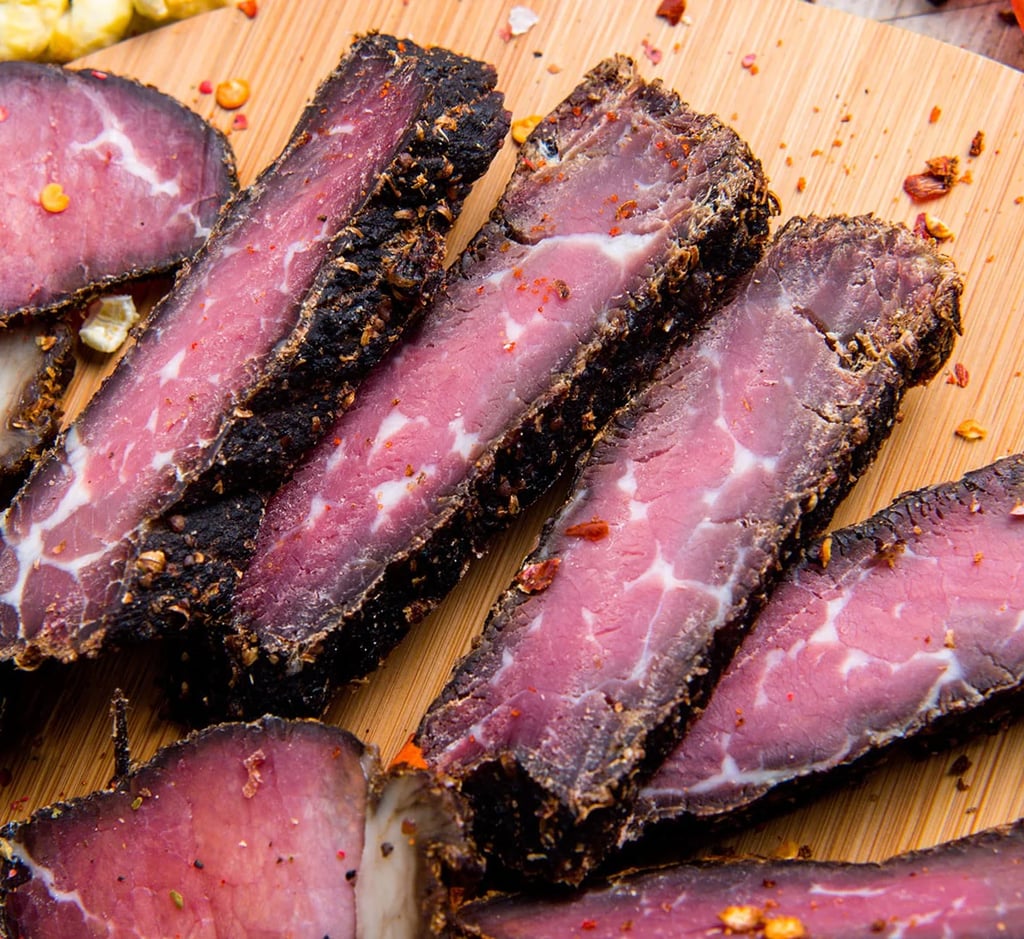
Across South Africa, the smell of curing meat—spiced and air-dried—signals that biltong is ready. This beloved snack, typically made from beef or game, is rich in protein and flavor, and has long served as both sustenance and comfort. Whether enjoyed during outdoor adventures, social gatherings, or as a midday snack, biltong is a culinary emblem of South African life and ingenuity.
Culinary Traditions
At its core, biltong is thinly sliced meat, cured with a blend of vinegar, salt, sugar, and spices such as coriander, black pepper, and chili. The meat is then air-dried, often hanging in cool, ventilated spaces until it reaches the perfect texture. Unlike jerky, biltong is thicker, tender, and less sweet, with a unique balance of spice and natural meat flavor.
“Biltong is more than dried meat,” says Chef Thabo Mokoena from Johannesburg. “It’s tradition, history, and pride wrapped in every bite.”
Variations include:
Beef Biltong – The classic and most common version.
Game Biltong – Made from ostrich, kudu, or springbok, reflecting South Africa’s wildlife.
Spiced or Chili Biltong – Enhanced with extra heat or aromatic spices.
The preparation and seasoning vary by region and family, but the essence remains: simple, preserved meat crafted for flavor and longevity.
Cultural Significance
Biltong’s origins trace back to the 17th century, when Dutch settlers, or Boers, adapted traditional meat preservation techniques to survive long journeys and harsh conditions in Southern Africa. Air-drying and curing meat allowed families to store protein without refrigeration—a practical solution that became cultural heritage.
Over time, biltong evolved beyond survival. It became a beloved snack, a staple at social gatherings, sporting events, and braais (South African barbecues). It embodies resourcefulness, communal spirit, and the connection between people and land.
Biltong also reflects South Africa’s multicultural history, combining Indigenous techniques, Dutch preservation methods, and African spices into a uniquely South African culinary tradition.
Modern Twists & Popularity
Today, biltong has become both a traditional snack and a gourmet product. Chefs experiment with flavors like peri-peri, garlic, and exotic game meats, while maintaining the artisanal drying process.
Beyond South Africa, biltong is gaining global popularity as a high-protein, low-sugar snack. From specialty stores to outdoor adventure packs, it continues to represent South African heritage while appealing to modern dietary preferences.
Quick Guide: Classic Beef Biltong
Ingredients:
2 lbs beef (silverside, topside, or sirloin)
1/4 cup apple cider vinegar or malt vinegar
2 tsp salt
1 tsp brown sugar
1 tsp black pepper
2 tsp coriander seeds, crushed
Optional: chili flakes or paprika
Steps:
Slice beef into strips about 1/2 inch thick.
Marinate in vinegar for 30 minutes.
Rub meat with salt, sugar, pepper, and coriander (plus optional spices).
Hang in a cool, ventilated area or use a biltong box/dryer for 4–7 days, depending on thickness.
Slice thinly to serve and enjoy as a snack or appetizer.
Fun Fact
Biltong was historically essential for travelers and hunters, as it could be carried for weeks without spoiling—a culinary lifeline that became a cultural icon.
Closing
Biltong is more than dried meat—it is a story of survival, tradition, and pride. From the rugged South African veld to contemporary kitchens and snack tables worldwide, it continues to nourish body and spirit. Each bite connects people to history, to community, and to the land that inspired its creation.